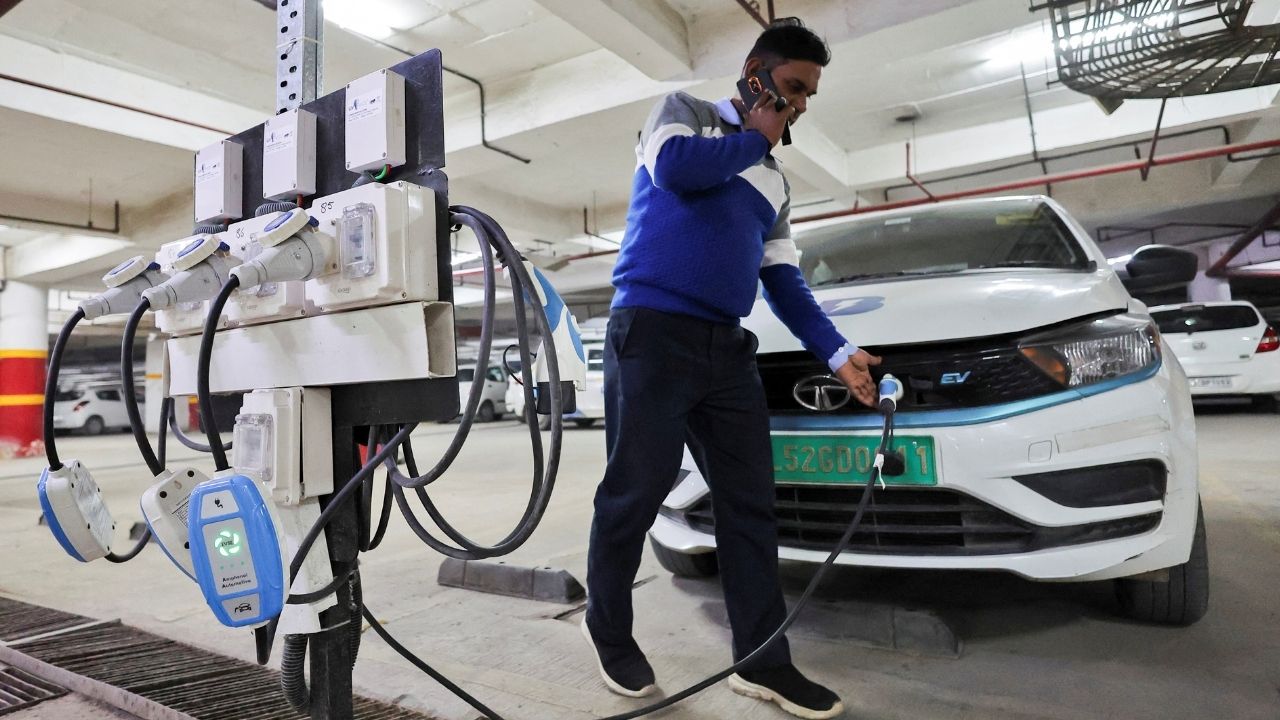
India’s electric vehicle journey could reach a major turning point over the next decade. A new KPMG India report projects that EV sales in the country could climb to about 22 million units by 2035, with EV penetration crossing 50 percent across most vehicle segments. The report links this growth to improving demand conditions, stronger supply chains, and regulatory momentum that is steadily pushing India toward cleaner and more sustainable mobility.
However, the report also delivers a clear warning: India’s EV success story will be determined not only by how many vehicles it can build, but by whether it can secure the raw material backbone required to power those vehicles. As EV adoption rises, so does the need for critical minerals and refined materials that sit at the heart of batteries, motors, and power electronics. If that backbone remains fragile, the transition could slow, become more expensive, or face delays due to geopolitical and trade disruptions.
What the 2035 projection actually means for India
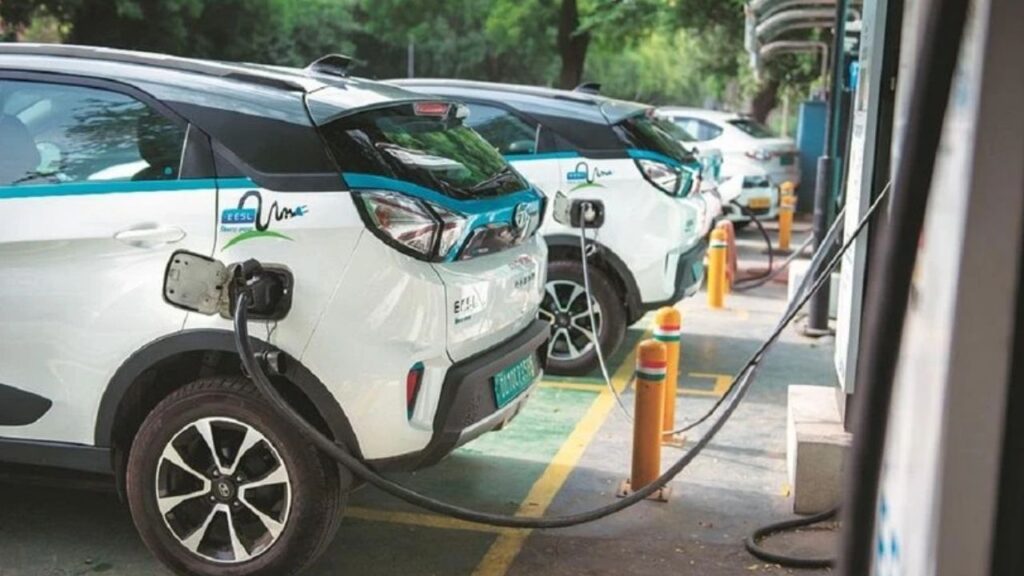
The 22 million figure signals a future where EVs are not niche products or secondary vehicles reserved for urban commutes. Instead, it points to a market where EVs could become mainstream across two wheelers, three wheelers, passenger cars, and parts of the commercial fleet. The report expects EV penetration to cross 50 percent in most segments by 2035, which implies that more than half of annual vehicle sales in those categories could be electric.
This would represent a massive shift for India’s transport ecosystem. A higher EV share impacts oil imports, air quality, and national energy planning. It also reshapes the manufacturing landscape, because EV value chains depend less on engine parts and more on batteries, electronics, software, and mineral supply.
Short summary table
Category |
Details |
|---|---|
Forecast |
EV sales could reach about 22 million units by 2035 |
Penetration outlook |
EV penetration could cross 50 percent across most segments |
Biggest risk |
Critical raw material supply and refining concentration |
Minerals in focus |
Lithium, nickel, cobalt, rare earth elements |
Why the urgency |
EVs require significantly more mineral inputs than conventional vehicles |
Recommended priorities |
Domestic refining, long term supply contracts, recycling, R and D on alternatives |
Official site link |
Why critical minerals are the real bottleneck
KPMG’s core message is that the raw material challenge is not a side issue. It is the foundation. EVs require far more mineral inputs than internal combustion vehicles, primarily due to battery materials, electric motors, and associated electronics. As global EV adoption accelerates, competition for the same resources increases, and countries with limited control over refining and processing face higher risks.
The report highlights that a large share of global refining capacity for critical minerals is concentrated in only a few geographies. This concentration creates exposure to geopolitical tensions, export controls, shipping disruptions, and price volatility. If supply becomes constrained, the immediate impact shows up in battery costs, which then flows into EV prices and slows consumer adoption.
The minerals India must secure
The minerals most frequently associated with EV growth include lithium, nickel, cobalt, and rare earth elements. These materials play different roles.
Lithium is essential for most current mainstream battery chemistries. Nickel and cobalt are used in many high energy density battery types. Rare earth elements are often linked with permanent magnet motors that deliver strong efficiency and performance. Even when certain models use alternative approaches, the broader ecosystem still faces heavy mineral requirements as the market scales.
The implication for India is straightforward. If the country wants predictable EV growth, it needs predictable access to these inputs, not only at the mining level but also at the refining and processing stages that convert raw ore into battery grade material.
How India can turn risk into opportunity
The KPMG report frames supply chain risk as something India can actively convert into strategic advantage, if it moves early and invests consistently. Several steps stand out.
First, domestic exploration and reserve development can reduce dependence over time. The report points to exploration activity, including regions where reserves are being studied, and notes that domestic sourcing combined with domestic processing can strengthen resilience.
Second, domestic refining and processing capacity is crucial. Even if a country has access to raw materials, it remains vulnerable if it cannot refine them. Incentivising local refining reduces exposure to global chokepoints and can create a domestic industrial base that supports battery manufacturing at scale.
Third, long term supply contracts and global partnerships matter. India can secure supply by building relationships with resource rich countries and signing multi year agreements that stabilise availability and price exposure. This approach can also support Indian companies that want to invest in overseas assets or joint ventures.
Fourth, recycling can become a major lever. Battery recycling and recovery of valuable materials can reduce imports, lower lifecycle costs, and improve sustainability outcomes. As India’s EV parc grows, recycling becomes more economically viable because end of life volumes rise and create steady feedstock for recovery.
Fifth, investment in research and development for alternative chemistries can lower dependency on constrained minerals. Batteries are evolving quickly, and alternative approaches may reduce pressure on cobalt or even shift away from certain rare materials. A strong R and D pipeline can help India adapt faster and reduce long term vulnerability.
Why customer confidence depends on the supply chain
The raw material conversation might sound distant from the average buyer deciding between an EV and a conventional vehicle, but it directly affects consumer confidence.
If battery costs remain stable, EV prices become more predictable. If supply chains are resilient, manufacturers can deliver on time without long waiting periods. If recycling and processing mature, long term battery support improves. All of these factors shape the ownership story, including resale value and service confidence, which are critical for mass adoption.
That is why the report emphasises that India’s EV ambitions hinge on securing the raw material backbone. Manufacturing capacity alone is not enough if upstream constraints keep prices high or introduce sudden disruptions.
What to watch next in India’s EV story
If the 2035 forecast plays out, the next few years will be defined by decisions that shape the supply chain.
Watch for policies that encourage domestic refining and processing. Track investments in recycling capacity and the emergence of organised battery recovery channels. Pay attention to global partnerships focused on lithium, nickel, cobalt, and rare earth supply. Also watch for progress in alternative chemistries and motor technologies that reduce reliance on constrained materials.
The headline number is impressive, but the execution will decide whether India reaches that scale on time and at a cost that keeps EVs accessible to mainstream buyers.
FAQs
1. What is the EV sales forecast for India by 2035 in the KPMG report
The report projects EV sales in India could reach about 22 million units by 2035.
2. What EV penetration level does the report expect by 2035
It expects EV penetration could cross 50 percent across most vehicle segments by 2035.
3. Why are raw materials critical for India’s EV growth
Because batteries and EV components require large amounts of minerals like lithium, nickel, cobalt, and rare earth elements, and supply constraints can raise costs and delay growth.
4. What is the biggest supply chain risk highlighted in the report
A major risk is that global refining capacity for critical minerals is concentrated in a limited number of regions, which can create geopolitical and trade vulnerability.
5. What actions does the report suggest to strengthen India’s EV ecosystem
Key steps include boosting domestic refining, securing long term supply contracts, investing in recycling, and funding research into alternative battery chemistries and materials.
For More Information Click HERE